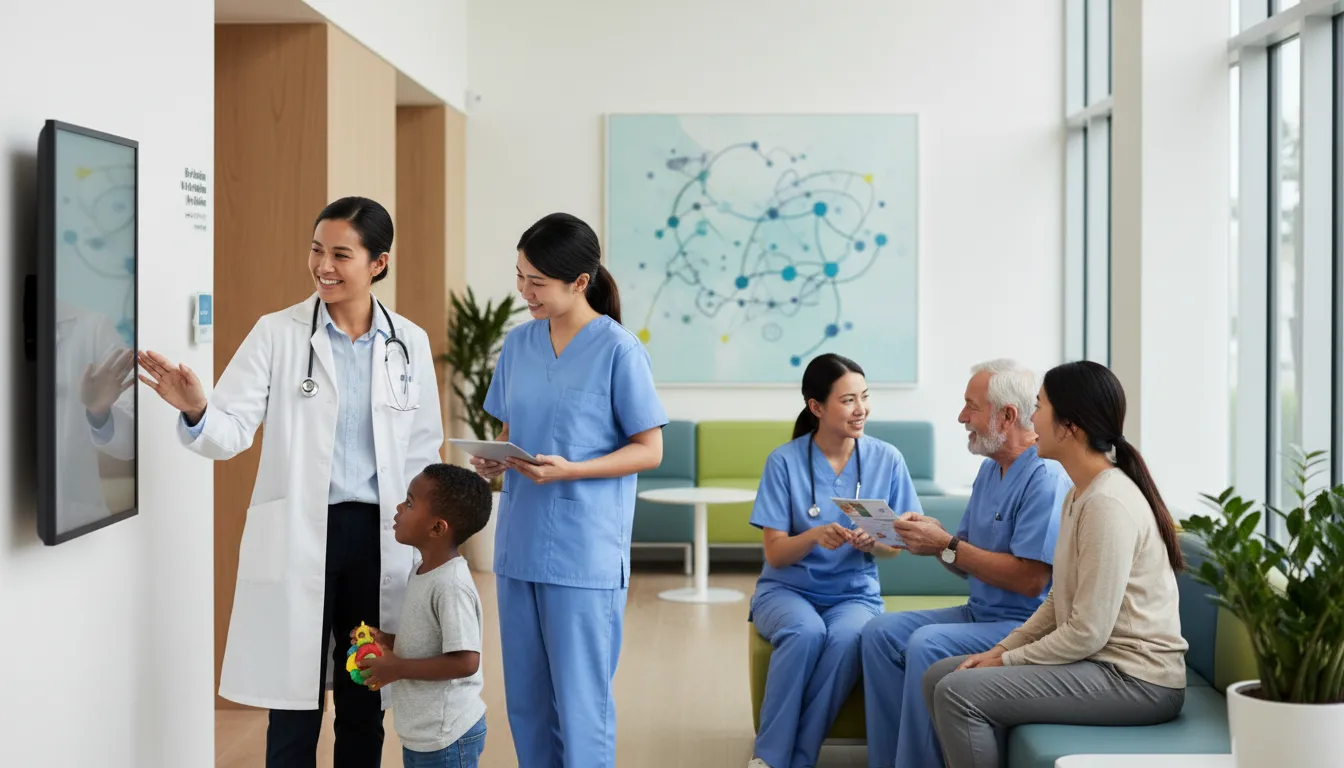
Summary: In Summerville, SC, choosing a clinic for Botox or any medical procedure requires understanding how healthcare culture impacts patient safety. Facilities prioritizing cleanliness, communication, and safety protocols tend to have better outcomes, fewer infections, and higher patient satisfaction. Selecting a clinic with a strong safety culture can significantly affect both the quality of care and overall health results.
North Carolina has seen nearly 930 cyclosporiasis cases since May, including over 500 cases concentrated in Wake County alone. This outbreak shows how hospital culture affects patient safety more than most people realize. When clinics cut corners on cleanliness or communication, patients get sicker than they should.
The pattern here matters. Infections like these rarely happen by accident. They spread in hospitals where staff don't wash hands consistently, where cleaning gets rushed, and where different departments don't talk to each other. The outbreak clusters in certain areas suggest some healthcare networks have deeper cultural problems than others.
Good hospitals work differently. Patients get better results when the whole system prioritizes safety. Fewer infections. Fewer mistakes. Fewer lawsuits. For people choosing where to get botox summerville sc or surgery, these cultural differences can literally be life or death.
Bad culture costs money long after patients leave. Lawsuits pile up. Fines add up. Reputations tank. Meanwhile, hospitals that invest in safety keep their best staff, satisfy more patients, and build community trust that lasts for years.
Key Takeaways
Technology makes a measurable difference. At hospitals using UCHealth Memorial Hospital's Ion Robotic Bronchoscopy increases diagnostic accuracy to 95% instead of 75-80%, lung cancer patients get diagnosed earlier and live longer. The 15-20% accuracy boost shows why equipment upgrades matter.
Patients trust hospitals that show their work. When facilities like UAMS Health's partnership with MDsave provides upfront bundled pricing post clear prices and explain procedures honestly, patients save 50% on average and follow treatment plans better. No surprises means better outcomes.
Old hospitals often do it right. The first hospital in southeast Missouri, Parkland Health Center-Bonne Terre's 115-year history, proves experience counts. Decades of refining safety protocols create systems that work when new threats emerge.
One-stop care prevents mistakes. Patients do better when all their doctors share records and talk regularly. No more lost test results or conflicting prescriptions that happen when clinics don't coordinate.
Staff quality shows in the ratings. Places like Spaulding Outpatient Center Hyannis with 5/5 ratings don't get top marks by accident. They train constantly, listen to patients, and build cultures where safety comes first every shift.
What Hospital Culture Really Means for Your Care
You can tell a lot about a hospital by how patients actually fare there, not just by its inspection scores. The best places put real money behind both their tech and their staff training. Take UCHealth Memorial Hospital's implementation of Ion Robotic Bronchoscopy, where doctors use a robotic system that maps lungs like a video game mini-map. It spots problems with 95% accuracy versus the 75-80% rates of old-school scopes, and patients spend less time in the chair.
Good hospitals don't stop at buying fancy gear. They build whole systems around making care simpler and safer. Parkland Health Center-Bonne Terre's 115-year legacy keeps everything under one roof, ER docs, family doctors, kid specialists, bone docs, and imaging techs all talk to each other daily. That means fewer dropped balls when patients get handed between departments.
Patient surveys actually matter here. Places like Florida Atlantic Medical Group with 5/5 ratings from 58,622 reviews score high because their staff listens better, stays reachable, and actually changes things based on complaints. It's not about bedside manner theater, it's about building processes that catch mistakes before they happen.
Why Tech Choices Reveal a Hospital's Priorities
The equipment a hospital buys shows whether they're playing the long game. Top-tier places spend on tools that catch problems early, even when it hurts their bottom line. At UCHealth Memorial Hospital's Ion Robotic Bronchoscopy program, their cancer screening setup finds tumors soon enough to push survival rates to 80-90% for early-stage cases. Late-stage numbers still look grim, which is exactly why their docs fight for every millimeter.
Their secret weapon? A 3.5mm robotic probe that acts like a biopsy vacuum cleaner. It sucks up tissue samples from lung edges, spots that used to require risky guesswork, without needing repeat procedures. Dr. Mario Fadila describes it as "finally having headlights for those dark corners we used to fumble through."
But real culture shows in how all the tech fits together. West Little Rock Emergency Hospital's recent opening runs a full diagnostic lab alongside their MRI, CT, and ultrasound suites so results come back while you're still in the building. They're rolling this model out across 28 small-format hospitals in 12 states because cookie-cutter care doesn't cut it.
Smart clinics know patients Google this stuff now. Firms like Clinads help explain why that robotic scope or instant lab matters to someone choosing where to get their cough checked out. No buzzwords needed, just show the gear working and the numbers proving it helps.
Hospital Communication Reveals Safety Standards
You can judge a hospital's safety record by how they talk to patients. Clear explanations about costs, risks, and procedures often signal a well-run system. Look at UAMS Health's partnership with MDsave - they list exact prices online with no hidden fees. No surprises, no confusion.
MDSave demonstrates this approach works. Patients see costs upfront, get payment plan options through CareCredit, and save 50% compared to traditional billing. But transparency goes beyond money. The safest hospitals describe medical procedures in simple terms, give realistic recovery timelines, and discuss potential complications before handing you a consent form. These places typically have lower error rates because staff who communicate clearly create environments where patients feel comfortable speaking up.
Genoa Family Pharmacy's holistic service approach raises the bar further. Their pharmacists personally explain every new medication. Diabetes educators teach carb counting with urgent precision. Vaccine clinics review potential side effects before administering shots. This thoroughness prevents many of the "I didn't understand" situations that lead to return ER visits.
The challenge? specialist referral systems and self-advocacy. Today's healthcare system involves countless specialists, separate bills, and endless forms. Top hospitals assign patient navigators to prevent test results from falling through cracks or dangerous drug interactions being missed.
Why Training Creates Safer Hospitals
Good training reduces errors. That's clear. What's surprising is how ongoing education builds institutional safety habits. Froedtert & MCW's comprehensive career development programs doesn't just recruit skilled staff - they continuously develop them.
Their RightSourcing initiative shows how this works. Rather than overworking staff with constant overtime, they rotate teams across Wisconsin locations. Nurses gain varied experience, hospitals benefit from fresh perspectives, and no one provides care while exhausted. This explains their low turnover and consistently high safety ratings.
Certain roles demand specialized training. The Denver Hospice's Centralized Call Center pays nurses $38.13-$44.80 hourly (with night shift premiums) to handle after-hours calls because they understand one incorrect answer could result in an ER visit. Understaffing creates hidden expenses - more mistakes, more legal issues, poorer patient outcomes.
For healthcare administrators, the numbers tell the story: leadership challenges in healthcare reveals that well-trained teams receive better patient feedback, fewer complaints, and dramatically fewer serious errors. The initial investment pays off through millions in long-term savings. The most successful hospitals aren't cutting training budgets - they're investing heavily in skilled professionals.
Measuring What Matters in Healthcare
Good hospitals don't guess. They measure. Every patient rating, every infection case, every misdiagnosis gets logged and studied. This data isn't just paperwork, it's how hospitals spot problems before they hurt someone. Pediatric Urgent Care in Anaheim's exceptional 5/5 rating from 216,274 patient reviews shows what happens when numbers drive decisions: better care across the board.
The best tracking systems go deeper than "were you satisfied?" surveys. They count pneumonia cases after surgery. They track how often scans catch early tumors. At UCHealth, their lung cancer program proves the point. By constantly checking their biopsy accuracy rates (now hitting 95% with those robotic scopes), they've literally changed how many people survive.
Tech helps, but it's not magic. Hindsait's AI tools dig through mountains of patient records to find patterns humans miss. Suddenly, a hospital might realize their knee surgery patients heal faster when they get certain pre-op instructions. That's the power of turning data into decisions.
None of this works without trust. Patients need to see the numbers too, clear bills, honest success rates, no sugarcoating. When hospitals share healthcare billing transparency openly, everyone wins. The patients get safer care. The staff get better tools. The whole place keeps improving.
How Hospitals Earn Trust
Trust isn't built with slogans. It's built when the IV team gets it right on the first stick, when the bill matches the estimate, when the doctor returns your call by Tuesday like they promised. Crescent Beach Care's integrated approach gets this right by wrapping everything, checkups, skin treatments, nutrition plans, under one roof where staff know your name.
Smart hospitals think ahead. They stock the arthritis creams patients actually ask for, not just what's on the formulary. Places like OrthoLazer's innovative drug-free wellness center, started by orthopedic surgeon Scott Sigman, prove patients appreciate options beyond pills and scalpels. When a clinic listens that closely, people notice.
Three things never lie to patients:
- The price tag
- The wait time
- The recovery timeline
Sage Wellness's personalized consultation approach lets people choose, phone consult, video visit, or old-school exam room. Same quality either way. That flexibility shows respect for how real lives actually work.
Marketing can't fake this. Clinads helps clinics avoid empty promises by matching their ads to their actual strengths. No "world-class" claims, just clear facts about what they do well. Patients aren't stupid. They know when a hospital's walk matches its talk.
How Hospitals Handle Emergencies
When disaster hits, you see what a hospital is really made of. The ones that keep patients safest aren't just lucky, they've drilled for this. Take the cyclosporiasis outbreak in North Carolina. The hospitals that contained it fastest had already run foodborne illness scenarios, stocked extra IV fluids, and trained staff to spot symptoms early.
Good emergency plans look simple when they work. Infection control isn't just posters on walls, it's nurses who've practiced gowning up in under 30 seconds. Staffing isn't about headcounts but knowing which respiratory therapist can cover three floors at 2 AM. The best places treat their emergency manuals like living documents, rewriting chapters after every drill.
Tech helps, but only if it's battle-tested. An EHR that crashes during a blackout is worse than paper charts. The useful systems are the ones that let ER doctors pull up a patient's med list with one tap or send bed alerts to administrators' phones. Telemedicine turns out to matter most when specialists can't physically reach the ICU.
Patients remember how hospitals perform in crises. The ones that evacuate smoothly or keep ER wait times stable during flu season build trust that lasts years. Get it wrong, and the Yelp reviews write themselves.
What Accreditation Really Measures
Some hospitals treat inspections like a pop quiz. The good ones treat them like a physical exam, a chance to catch problems before they're emergencies. Joint Commission accreditation separates the places that do the bare minimum from those using standards as a starting point.
The paperwork tells part of the story. Surveyors notice when medication carts are organized the same way on every floor, or when every staff member, from surgeons to janitors, can recite the fall prevention protocol. These aren't coincidences. They're signs of a culture where safety habits stick.
The numbers don't lie. Hospitals that ace accreditation surveys tend to have fewer post-op infections, cleaner facilities, and patients who actually understand their discharge instructions. It's not about gaming the system. It's about building one where errors are harder to make.
For administrators, compliance is the price of admission. The real advantage goes to hospitals that track leading indicators, like near-miss reports or staff vaccination rates, before regulators ask for them.
The Culture That Keeps Patients Safe
The best hospitals share a mindset: every pill given, every hand washed, every chart reviewed is someone's mother or child. This shows up in cold, hard stats. UCHealth's 95% robotic systems catch tumors radiologists miss. UAMS Health saved 50% by posting prices upfront, proving transparency cuts costs without cutting corners.
Building this culture takes daily work. It means pharmacists double-checking chemo doses without being asked. It's nurses speaking up when a surgeon skips the timeout. Most of all, it's leaders who reward staff for finding problems, not hiding them.
Patients feel the difference. The places where safety is baked into routines have shorter waits, fewer readmissions, and families who actually trust the care team. That's not just good medicine, it's good business. The hospitals thriving today are the ones that treated every quiet Tuesday as preparation for the next crisis.
Frequently Asked Questions
How
can patients identify healthcare systems with strong safety cultures?
Look for facilities that invest in advanced technology, maintain high patient satisfaction ratings, and provide transparent pricing and communication. Check for comprehensive service offerings, staff credentials, and institutional longevity as indicators of consistent quality commitment. Examine online reviews, accreditation status, and whether the facility proactively communicates about safety measures and quality improvements.
What
role does technology play in healthcare institutional safety?
Advanced technology like robotic diagnostic systems and AI-powered decision support tools directly improve patient outcomes by increasing accuracy and reducing human error. Institutions that invest in cutting-edge technology typically maintain higher overall safety standards because technology adoption reflects institutional commitment to evidence-based care and continuous improvement.
How
do transparent billing practices relate to patient safety?
Transparent billing reflects institutional commitment to honest communication, which typically extends to all patient interactions including safety protocols, treatment explanations, and outcome expectations. Organizations that hide costs often compromise other aspects of patient care, while transparent institutions build trust that encourages patients to ask questions and report concerns.
Why
does staff training matter for patient safety outcomes?
Well-trained staff make fewer errors, communicate more effectively with patients, and respond appropriately to safety concerns. Institutions that invest in continuous staff development create cultures where safety becomes automatic rather than compliance-driven, resulting in measurably better patient outcomes and satisfaction scores.
How
can healthcare organizations measure their safety culture effectiveness?
Track patient satisfaction ratings, clinical outcome metrics, safety incident reports, and staff turnover rates. Combine quantitative measures with qualitative feedback from patients and staff to identify improvement opportunities. Regular safety culture assessments and external accreditation surveys provide additional validation of institutional safety performance.
What
should investors look for in healthcare institutional culture?
Examine technology adoption patterns, staff development programs, patient satisfaction trends, and quality measurement systems. Strong institutional cultures correlate with better financial performance through reduced liability, higher patient retention, and positive reputation effects that drive sustainable growth and competitive advantages in healthcare markets.
Related reading
- Specialist Referral Systems and Self-Advocacy in Healthcare
- Private Healthcare Clinic Business Practices and Patient Protection: What You Need to Know
- Healthcare Billing Transparency: How to Avoid Unexpected Medical Charges
- 7 Most Affordable Patient Acquisition Tools for Medical
- Leadership Challenges in Healthcare
Sources
- Genoa Family Pharmacy offers a wide range of services (offer)
- Parkland Health Center-Bonne Terre marks 115 years of servin... (news, dailyjournalonline.com)
- Clinads
- Spaulding Outpatient Center Hyannis (clinic)
- Life-saving lung cancer technology at UCHealth Memorial Hospital Central | FOX21 News Colorado
- OrthoLazer opens drug-free wellness center in Frisco | Frisco | Community Impact (news, communityimpact.com)
- Transparent online purchasing for self-pay patients (MDsave) (offer)
- RN Centralized Call Center (CCC) - Remote at The Denver Hospice / Care Synergy network (job posting)
- Home | Froedtert & MCW at Froedtert & MCW (job posting)
- Hindsait, Inc. (healthcare startup)
- Pediatric Urgent Care in Anaheim | Walk-In Clinic
- Florida Atlantic Medical Group - Primary Care
- Weight Loss Center in St. Augustine | Crescent Beach Care
- Initial Telehealth Consultation
- West Little Rock Emergency Hospital opens on Chenal Parkway | The Arkansas Democrat-Gazette - Arkansas' Best News Source
- Nearly 930 cyclosporiasis cases reported in N.C. since May
- Intuitive Spirit Healing Arts - Lenox Chamber of Commerce (clinic)
- Acupuncture Healthcare of Leominster - Wellness Living (clinic)
- Executive & Management Roles – Multiple Openings at (job posting)
- Medtech Services (healthcare startup)
- Lunabill (healthcare startup)
- Optum Ear, Nose and Throat (Otolaryngology) - Glen Cove, NY
- Plattsburgh Family Health: Quality Primary Care ...
- Cancer Institute
- Mount Carmel Heart & Vascular Specialists Hilliard
- Christopher Y. Maeda, MD | Bothell, WA - Providence
- Heart Center Doctors in Bradenton | HCA Florida Blake Hospital
- Find occupational health in Midland, MI
- heyclincy.com
- theres a culture problem among doctors at uw