
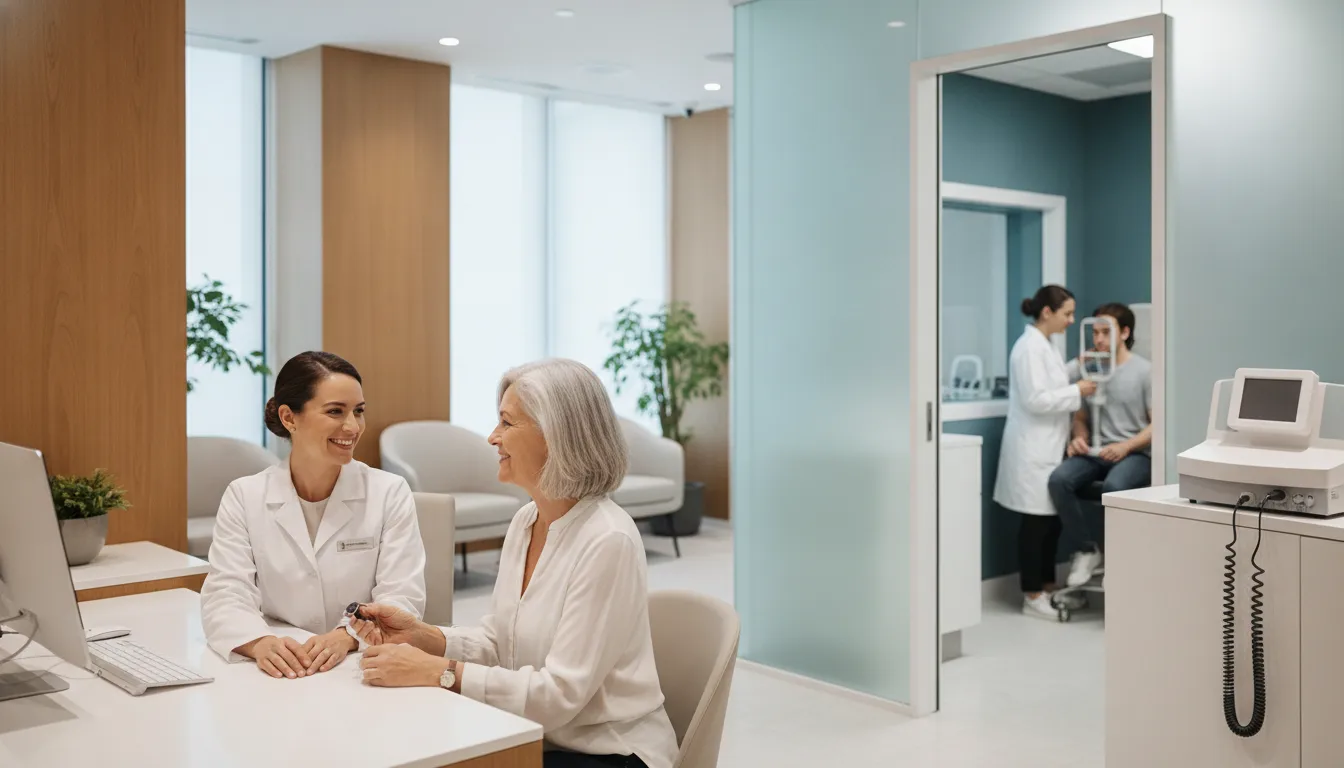
Summary: With 71% of audiology clinics rated 4.5 or higher, patients have access to high-quality care across 535 clinics in 176 cities. Choosing the right clinic involves considering location, services, and patient reviews. Clinics use AI-powered marketing to enhance visibility and attract patients, while technology and patient reviews play crucial roles in improving service and reputation.
A patient turns up the television volume to maximum, struggles to decipher conversation at a crowded dinner table, and decides Monday morning is the time to schedule an appointment at an audiologist clinic. Finding reliable hearing healthcare requires sorting through clinical credentials, service offerings, and patient feedback. Of the 535 audiology clinics listed in our directory across 176 cities, 71% maintain a patient rating of 4.5 stars or higher, reflecting a remarkably consistent standard of care across regional markets.
Choosing a provider still presents practical challenges for families and individuals dealing with hearing loss. Patients must balance geographic proximity, appointment availability, diagnostic capabilities, and device dispensing practices before making an appointment. At the same time, practice owners face increasing competition to demonstrate clinical competence and maintain visibility in local search directories. Understanding the operational benchmarks of top-performing practices clarifies what patients should look for during an evaluation and how modern practices can distinguish their clinical services.
Key Takeaways
- High ratings dominate audiology: Of the 535 audiology clinics listed in our directory, 71% carry a patient rating of 4.5 stars or higher, demonstrating that strong patient satisfaction is the norm rather than an exception in hearing healthcare.
- Widespread geographical access: The 535 audiology clinics in our directory span 176 cities, giving individuals broad access to specialized hearing evaluations and rehabilitative treatments across varied geographic regions.
- Elevated baseline review scores: The median rating across all audiology practices in our dataset is 4.8 out of 5 stars, making patient reviews a decisive differentiator when people choose where to book care.
- Visibility relies on targeted outreach: Practice growth requires consistent patient acquisition workflows, where specialized services from Clinads help hearing centers connect directly with prospective patients searching for local diagnostic care.
- Regulatory standards safeguard outreach: Hearing healthcare providers must maintain rigorous verification protocols for promotional claims by using tools like our Free Clinic Ad Compliance Checker to evaluate public advertising before publication.
At a Glance
| Metric or feature | Directory benchmark | Clinical significance |
|---|---|---|
| Total clinics cataloged | 535 clinics | Broad representation across independent and hospital-affiliated sites |
| Geographic coverage | 176 distinct cities | Regional distribution across metropolitan and mid-sized markets |
| Median patient rating | 4.8 out of 5.0 stars | Exceptionally high baseline satisfaction across hearing care facilities |
| Top-tier rating share | 71% rated at or above 4.5 | Demonstrates that reputation management requires active differentiation |
What Makes a Good Audiology Clinic?
A good audiology clinic delivers comprehensive diagnostic evaluations, evidence-based hearing aid fittings, transparent pricing, and structured follow-up care. High-performing practices distinguish themselves by taking unhurried speech-in-noise assessments, performing real-ear verification measurements for every device fitting, and establishing clear rehabilitation pathways for patients adapting to amplified sound.
Clinical competence begins with proper diagnostic testing protocols. Rather than relying on simple pure-tone air conduction checks, premier hearing centers conduct bone conduction testing, speech recognition threshold assessments, word recognition testing in background noise, and tympanometry to evaluate middle ear function. Top facilities also maintain multidisciplinary referral relationships with otolaryngologists and primary care physicians to address asymmetric sensorineural hearing loss, sudden hearing drops, or conductive pathologies requiring medical intervention. For example, the Cleveland Clinic maintains an unblemished 5/5 rating from 77 reviews across its clinical service departments, illustrating how institutional commitment to quality, patient communication, and systematic care delivery drives positive patient sentiment.
Beyond formal diagnostic testing, clinical excellence depends on communication and continuity of care. Hearing loss often carries emotional frustration and social isolation for patients and their families. A superior clinic schedules sixty-minute initial appointments to explain audiograms clearly without technical jargon. These clinics provide written care plans, schedule thirty-day and sixty-day validation checkups, and provide walk-in clean-and-check hours for device maintenance. When practitioners prioritize patient education and personalized rehabilitation exercises over rapid product sales, treatment compliance increases and device abandonment rates drop substantially.
How to Choose the Right Audiology Clinic
Start with the clinic, not the ads.
A good audiology clinic has licensed doctors of audiology, uses real-ear verification during fittings, carries more than one hearing aid brand, and gives you a plain trial period with clear terms. I’d also look for unbundled pricing, where device cost and professional care are separated. That way, you can see what you’re paying for.
Call the front desk and ask how fittings are done. If the audiologist uses probe microphones for real-ear measurement, that’s a strong sign they fit devices to your ears, not just to a manufacturer’s default program. Those default settings often miss speech frequencies for a lot of people. Ask which manufacturers they work with, too. A clinic tied to only one brand gives you fewer choices, while an independent practice, especially one connected to growth platforms like Clinads, can make the menu of options easier to compare.
Then check the practical stuff.
How far is it from your house? Is parking simple? Can they fit you in quickly if you need an earmold tweak or a receiver replacement? Hearing care usually takes more than one visit in the first few months, since fine-tuning compression, frequency response, and noise control takes time. A thirty-to-sixty-day trial period is common, and the return policy should be spelled out without games. Clean-and-check visits should be routine, not mysterious.
The Role of Technology in Audiology Clinics
Modern audiology clinics use more than a basic hearing test. They may have real-ear probe microphone systems, video otoscopy, automated vestibular testing, and tele-audiology software for remote fine-tuning.
Some of that gear gives hard numbers a manual exam can’t match. Video otoscopes let clinicians show the ear canal and eardrum on a screen, which makes wax buildup or structural changes easier to see and explain. Tympanometers and acoustic reflex testing check middle-ear movement and reflexes quickly. For balance problems, tools like computerized dynamic posturography and videonystagmography help map vestibular function and point patients toward the right referral.
Software matters too. Bluetooth hearing aids can receive updates and sound changes through a phone app, so a patient doesn’t always need to come back to the office for every small adjustment. A clinician can change gain, noise reduction, and microphone direction while the patient is at home. When that remote work connects to cloud-based records, audiograms, speech scores, and device settings stay together instead of scattering across systems.
Why Patient Reviews Matter in Audiology Clinics
Patient reviews do a lot of the trust work before anyone picks up the phone.
Across the 535 audiology clinics in our directory, the median rating sits at 4.8 out of 5 stars. A practice with very few reviews, or an average score below 4.5, has a hard time winning local inquiries.
Hearing care feels personal. It also feels expensive in the ways that really count. People read peer comments for reassurance, especially when they are choosing for themselves or helping an older parent. Patience helps. So do clear explanations and a calm bedside manner. Those details show up in reviews, and they carry real weight.
Clinics can collect that feedback in a more organized way with our Free Patient Review Request Kit, using it after first fittings and again at sixty-day checkups. Ask when the visit went well. The responses are usually more honest, and they tend to reflect actual practice quality instead of random frustration.
Reviews also tell managers where the operation is wobbling.
When comments repeatedly praise one audiologist for detailed explanations, that usually means longer appointment blocks are paying off. If people complain about billing confusion, surprise supply charges, or front-desk delays, the clinic has a problem to fix. Fast public replies help here. Keep them professional. Keep them HIPAA-compliant. A reply within twenty-four hours tells future patients that the practice takes care seriously.
Marketing Strategies for Audiology Clinics
Audiology clinic marketing works best when it stays local and specific.
Search visibility matters, of course. So does educational content. So do physician referrals. Targeted digital advertising can help too, but generic newspaper coupons are a weak fit for most hearing care practices. Patients usually want answers about sudden hearing changes, tinnitus, or trouble hearing in noisy restaurants. They are looking for information first.
Clinads provides specialized healthcare marketing solutions that support local ad campaigns, automated patient communication funnels, and high-intent inquiries from people already researching audiology care. Pair those campaigns with landing pages that explain diagnostic steps and insurance coverage. That turns a casual search into an appointment.
Referral relationships still matter a great deal. Family physicians, gerontologists, and neurologists can send steady patient volume when the relationship is maintained well. Audiologists should return concise diagnostic reports within forty-eight hours, with audiometric findings and recommended interventions. Quarterly educational workshops at community centers can help too. Topics like cognitive decline and untreated hearing loss position the clinic as a medical resource, not a place that just sells devices.
The Impact of Location on Audiology Clinic Success
Location shapes almost everything for an audiology clinic.
Older adults make up much of the hearing rehabilitation audience, so access matters. Single-story medical buildings, ground-level entry, wide doors, and dedicated parking often bring better retention than downtown buildings with stairs and elevators. According to Mount Carmel Heart & Vascular Specialists Hilliard, easy access and convenient parking are crucial for patient retention (Mount Carmel Health, 2023).
Placement also affects referral flow. An office near primary care groups, otolaryngology clinics, and imaging centers reduces friction for referred patients. Someone leaving an ENT appointment can step into the audiology suite for a diagnostic test or a device clean-and-check. That kind of convenience is hard to ignore.
Demographics matter too. Clinics in areas with many retirees need broad diagnostic services and financing options. Suburban commuter areas may see more demand for custom musician plugs, pediatric assessments, and occupational noise protection.
Competition changes the playbook. In dense urban markets with many audiologists, a clinic may need a focused specialty such as pediatric audiology, auditory processing disorder therapy, or vestibular rehabilitation. In smaller secondary markets, the advantage often comes from dependable core services, walk-in repair visits, and evening hours for working family members who bring older relatives to appointments.
Conclusion
Picking an audiology provider takes more than glancing at a discount banner. Check the diagnostic process, the clinician’s credentials, and what patients actually say.
Across the country, 71% of the 535 audiology clinics in our directory hold ratings of 4.5 stars or higher. Good care is out there.
The stronger clinics do a few things well. They verify fittings with real-ear measurement, explain trial periods plainly, and lay out a real rehabilitation plan instead of treating the visit as a one-time sale. For clinic directors, the path stays pretty direct, if not easy. Strong care has to sit beside honest advertising and steady reputation work. Modern diagnostic tools help. So do consistent review requests and a location patients can reach without a hassle. That mix is what keeps people coming back when they want better hearing health.
Frequently Asked Questions
What should I look for in an audiology clinic?
Look for a clinic with licensed doctors of audiology who use real-ear measurement when fitting hearing aids. Ask whether they run full diagnostic testing, including speech-in-noise work, and whether they carry devices from more than one manufacturer. A plain thirty-to-sixty-day trial period matters, and so does pricing you can read without a decoder ring. Service visit costs should be visible too.
How important are patient reviews for audiology clinics?
Very important. The median rating for audiology practices across our directory is 4.8 out of 5 stars, and patients lean on those reviews because hearing care feels personal. They want to know about patience, billing clarity, and what happens after the fitting. Clinics that keep reviews active usually earn more trust in the community, and more bookings follow.
How can audiology clinics improve their marketing?
Start with useful content that answers common hearing questions. Keep local listings current. If a clinic works with a specialized healthcare marketing service such as Clinads, that can help too. Referral ties with primary care physicians matter as well, and free community hearing health seminars can bring in serious patient inquiries while making the clinic look like it knows its work.
Why is technology important in audiology clinics?
Technology sharpens diagnosis and makes fittings more exact. Real-ear probe microphone systems check whether hearing aids match the patient’s acoustic prescription. Video otoscopy and computerized tympanometry can catch physical ear problems early. Tele-audiology is useful too, since it lets clinicians adjust device programming from a distance and saves patients a return trip.
How can I ensure my clinic's marketing materials are compliant?
Check state licensing board rules, FDA guidance on medical device promotion, and HIPAA privacy requirements for patient testimonials. Hearing care practices can also use our Free Clinic Ad Compliance Checker to review promotional copy, confirm claims, and make sure the message stays within industry rules before anything goes live.
Related reading
- CaroMont Diabetes Center: Expert Care and Education Guide
- Private Healthcare Clinic Business Practices and Patient Protection: What You Need to Know
- Top Dental Cleanings in Simi Valley, California (2026)
- 7 Best Platforms for Segmenting Patient Communication by Treatment History in 2026

