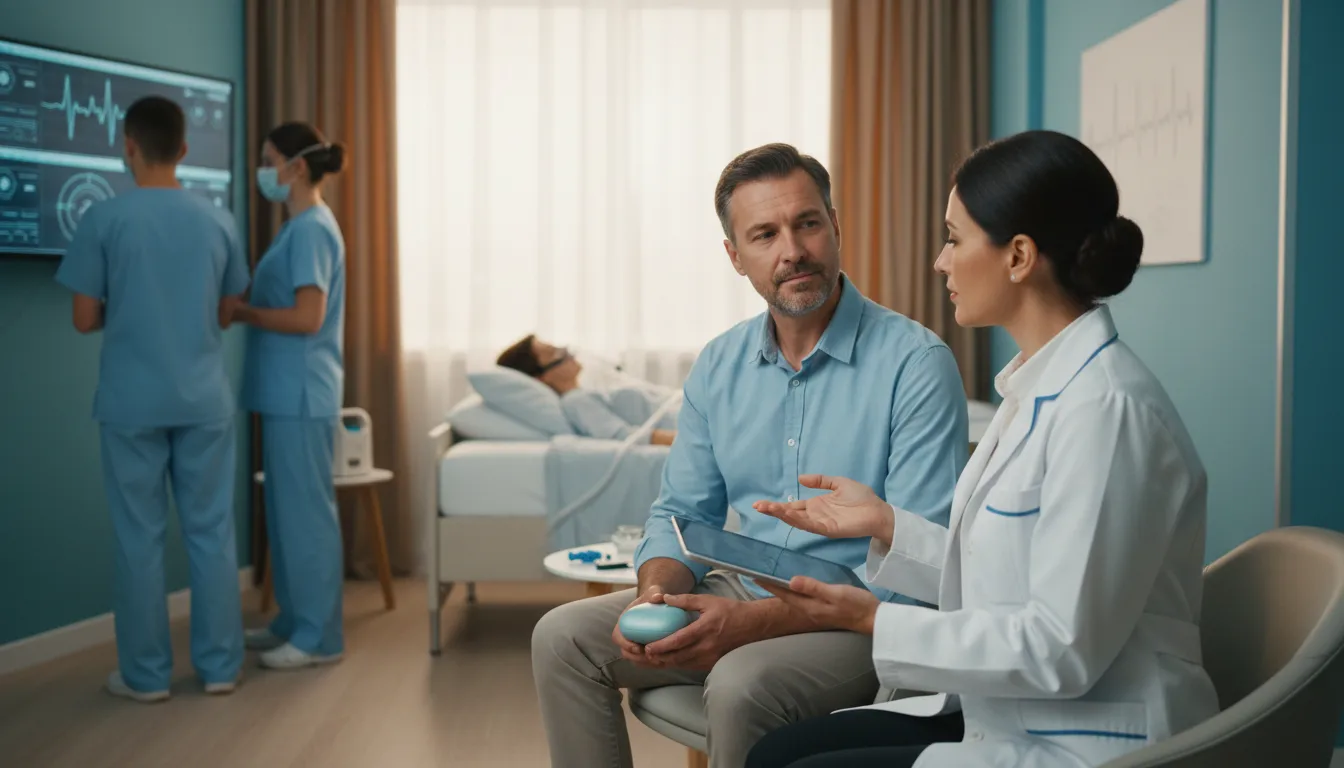
Summary: Professional sleep medicine services are essential for diagnosing and managing sleep disorders, which affect one in three adults and are linked to serious health issues like cardiovascular disease and hypertension. These services integrate expertise from various medical fields to provide accurate diagnoses and effective treatments, such as cognitive behavioral therapy for insomnia and CPAP for sleep apnea, improving overall health and well-being.
Roughly one in three adults does not get enough sleep, and most sleep disorders remain undiagnosed for years before patients connect their chronic fatigue or health issues to a treatable condition. This persistent failure to achieve restorative rest is not merely a lifestyle inconvenience; it is a significant public health challenge that links directly to cardiovascular disease, hypertension, and diminished daytime function. Sleep medicine services exist to bridge the gap between lingering symptoms and clinical intervention. As a board-certified subspecialty, this field integrates knowledge from pulmonology, neurology, psychiatry, and internal medicine to diagnose and manage conditions that fragment the sleep-wake cycle. By utilizing specialized diagnostic tools and evidence-based therapies, these services provide a structured path toward better health, safety, and long-term well-being. Whether you are struggling with chronic insomnia, suspected obstructive sleep apnea, or other sleep-related issues, accessing professional sleep medicine services is the first step toward reclaiming your health.
Key Takeaways
- Clinical expertise matters: Sleep medicine is a formally credentialed subspecialty that requires board certification, ensuring that your care is managed by providers with specific training in diagnosing complex sleep and circadian disorders.
- Standardized diagnosis is vital: While some symptoms are obvious, professional services use rigorous tools like in-lab polysomnography to accurately identify disorders, distinguishing between physiological issues like apnea and behavioral patterns.
- CBT-I is the gold standard: For chronic insomnia, cognitive behavioral therapy for insomnia (CBT-I) is widely considered the first-line, evidence-based intervention, often outperforming medication in long-term efficacy.
- Early intervention prevents complications: Untreated sleep disorders, particularly sleep-disordered breathing, are strongly correlated with chronic conditions such as hypertension and cardiovascular disease, making timely evaluation essential.
- Multidisciplinary care improves outcomes: Effective sleep centers often collaborate across disciplines—including dentistry and behavioral health—to provide comprehensive, patient-centered treatment plans.
What Should I Expect During a Sleep Medicine Consultation?
A sleep medicine consultation typically begins with a comprehensive medical history review where a clinician assesses sleep timing, lifestyle factors, comorbid health conditions, and specific symptoms such as snoring, excessive daytime sleepiness, or unusual nighttime movements. This initial evaluation is the foundation for determining whether further testing is needed to diagnose your specific sleep disorder. During this session, your provider will likely discuss your sleep diary or actigraph data, which helps them understand your natural sleep-wake patterns. They may also perform a physical exam to look for anatomical issues, such as airway obstructions, that could be interfering with your ability to breathe or sleep comfortably.
If you are seeking care at a specialized center, you can check this with the ClinicsList Free Clinic Ad Compliance Checker to ensure the facility meets professional standards. The goal of this consultation is to move beyond self-diagnosis. By reviewing how your symptoms affect your daily functioning, the clinician can tailor a plan that might involve lifestyle modifications, behavioral interventions, or diagnostic sleep studies. Following this visit, you may be referred for specialized testing or receive a personalized care plan developed by Clincy, which provides a modern approach to managing these patient workflows. This structured process is designed to uncover the root cause of your sleep fragmentation, rather than just masking the symptoms.
How Are Sleep Disorders Diagnosed in a Clinical Setting?
Sleep disorders are sorted with two kinds of evidence. One comes from the patient. The other comes from testing.
Polysomnography, usually shortened to PSG, and home sleep apnea testing record brain waves, oxygen levels, heart rate, and breathing while a person sleeps. Clinicians use that trail to see what keeps cutting the night into pieces. PSG in a lab still carries the most weight for complicated cases, because the room stays controlled and the monitoring keeps going. Home testing is now routine for the right obstructive sleep apnea patients. It’s simpler.
After the data comes back, a board-certified sleep physician reads it and decides what it means. That step matters. Clinics that care about solid diagnostic work often use patient engagement tools so follow-up does not stall once the study is over. If you want a clearer view of the patient experience and service flow, check this with the ClinicsList Free Patient Review Request Kit. A sound diagnosis matters most in Private Healthcare Clinic Business Practices and Patient Protection: What You Need to Know, because treatment should match the clinical picture, not a hunch.
Why Is Cognitive Behavioral Therapy for Insomnia (CBT-I) Recommended?
CBT-I is often the first pick for chronic insomnia because it works on the habits and thought loops that keep sleep broken. Sleep medicines can quiet symptoms for a while, but they can also bring side effects and dependency worries. CBT-I goes a different route. It aims for durable change.
The program has structure. Sleep education, stimulus control, and relaxation skills usually show up in it. Stimulus control teaches the brain to link the bedroom with sleep, not with worry or screen time. That kind of work can leave people with steadier sleep over time, especially when a trained specialist guides the process. Many patients get longer-lasting results from CBT-I than from medication.
Sleep health sits close to overall wellness, so behavioral care belongs in modern sleep medicine. By focusing on these changes, clinicians can help patients avoid the risk of Healthcare Billing Transparency: How to Avoid Unexpected Medical Charges tied to long-term, low-value medication prescribing.
What Is the Role of CPAP Therapy in Managing Sleep-Disordered Breathing?
Continuous positive airway pressure, or CPAP, is the standard treatment for moderate to severe obstructive sleep apnea. It pushes pressurized air through the airway during sleep, which keeps the throat from collapsing again and again. Oxygen stays steadier. Cardiovascular strain eases.
Clinicians usually judge success by nightly use and by getting the apnea-hypopnea index, or AHI, below five events an hour. The machine can feel odd at first. Newer masks are more comfortable, and sleep technologists can sort out fit problems or pressure settings. For many patients, life changes in obvious ways after they settle into CPAP. More energy. Better concentration. Lower hypertension risk.
CPAP remains the benchmark, and Clincy plus other modern providers pay close attention to the patient’s relationship with the equipment after diagnosis. Comfort matters. So does support. They help people stay with sleep medicine services long enough to get the health benefits.
How Sleep Specialists Work with Other Providers
Sleep specialists rarely work alone. They end up on the phone with neurologists, psychiatrists, otolaryngologists, and dentists, because sleep complaints usually drag other problems along with them. Someone may arrive worried about snoring and leave with a much longer list, pain, medication side effects, anxiety, a narrowed airway. Sleep is tangled up with a lot.
A sleep physician can diagnose obstructive sleep apnea, then send the patient to a dentist for a custom oral appliance. If anxiety is part of the picture, a psychiatrist may need to join the discussion. Simple enough. The plan has to cover the sleep issue and the forces feeding it.
That kind of coordination matters most when a condition reaches across several systems at once. It also fits the kind of tracking used in How to Track Revenue and Financial Performance in Your Clinic: Essential Metrics That Drive Success, where results across service lines show whether a practice is actually doing well. Sleep medicine services that keeps the full picture in view can usually give steadier care and fewer gaps.
How Lifestyle Changes Fit with Sleep Medicine
Lifestyle changes sit beside formal treatment. They don't replace CPAP or CBT-I. They don't have to.
A regular sleep schedule helps. So does a quiet bedroom, less caffeine or nicotine before bed, exercise, and a sensible diet. Those habits can support better sleep and make the main treatment easier to follow.
They take work. Over time, they pay off. Patients who stick with them often report better mood, sharper thinking, and less risk from long-term illness. Sleep specialists can fold those changes into the plan instead of leaving them as an afterthought.
What New Tools Are Showing Up in Sleep Medicine?
New tools are changing how sleep disorders get diagnosed and managed.
Wearables and mobile apps can track sleep at home, night after night. They give clinicians data on duration, quality, and interruptions that used to come mostly from lab studies. Telemedicine helps too, especially for people in rural areas or places with few specialists. A visit can happen without a long drive. Nice.
CPAP devices have changed as well. Auto-titrating machines and more comfortable masks have made treatment easier for some patients to tolerate. Research keeps moving, and new therapies keep appearing.
Conclusion
Sleep medicine services matter because they diagnose and treat sleep disorders that are common, quiet, and easy to miss. Board-certified expertise, polysomnography, and evidence-based care like CBT-I give patients a clear path forward. Services such as Clincy help people move past temporary fixes and get at the physiological and behavioral causes of broken sleep. Better sleep can mean better days, and it may also help protect long-term cardiovascular and metabolic health. If sleep problems keep coming back, talking with a qualified sleep specialist is a sensible next step.
Frequently Asked Questions
When should I see a doctor for sleep problems?
Sleep trouble that hangs around for months deserves attention. If you're dragging through the day, snoring heavily, or lying awake night after night, a sleep specialist makes sense. Three months is a useful line in the sand. If you think you're stopping breathing in your sleep, or your body is making odd movements at night, don't sit on it. That kind of symptom needs a professional look, because apnea and similar problems can be dangerous.
Is a sleep study always necessary?
No, and that's where good clinical judgment matters. The right diagnostic path depends on the assessment, the symptoms, and the medical history in front of the doctor, not on a one-size-fits-all rule. Polysomnography remains the standard for complicated cases, while home sleep apnea tests can be enough for many people with suspected obstructive sleep apnea. The point is accuracy, not ritual.
How effective is CBT-I for chronic insomnia?
CBT-I is often the first treatment that should be tried for chronic insomnia, and over time it tends to do better than sleep medication. It targets the thoughts and habits that keep insomnia going, which is why the benefits can last after the sessions end. Safe. Practical. Evidence-based. That combination is hard to beat when the goal is better sleep that lasts.
Can I treat my sleep apnea with lifestyle changes alone?
Healthy habits help. A healthier weight and avoiding certain substances can improve sleep, and they belong in the conversation. But moderate to severe obstructive sleep apnea rarely disappears from lifestyle changes alone. CPAP is still the gold standard in those cases because it treats the airway blockage directly during sleep. Lifestyle changes work best inside a broader treatment plan guided by a clinician.
Related reading
- How to Track Revenue and Financial Performance in Your Clinic: Essential Metrics That Drive Success
- Leading Occupational Health Services in Midland: Location-Based Client Guide
Sources
- Sleep Medicine | Careers in Medicine
- What Is a Sleep Specialist (Somnologist)? What They Do
- Sleep Medicine, Explained: Diagnosis and Treatment | Canvas Medical
- Sleep is essential to health: An AASM position statement
- Sleep Medicine Specialists: Roles, Training, and When to See One | National Sleep Authority
- Sleep medicine
- Sleep Medicine: What It Is, Who Needs It, and How Treatment Works | HealthRX.com
- Advocacy Toolkit - Value of Sleep Medicine - American Academy of Sleep Medicine
- Sleeping Disorder Therapy: What To Expect - Acibadem Hospitals Group
- Management of Insomnia
- Functional Medicine Clinics and use of language